Overview
The global Smart City Digital Market was valued at USD 750.40 billion in 2025 and is projected to reach USD 2,498.67 billion by 2034, growing
at a CAGR of 14.3% during the
forecast period (2026–2034). The market is driven by increasing urbanization,
smart infrastructure investments, and growing adoption of IoT and digital technologies.
The market is shifting from isolated pilot projects to integrated
citywide platforms that use digital twins, artificial intelligence, and
real-time data analytics. Growing technology partnerships are improving
location intelligence, urban planning, and smart city management. Increasing
demand for connected infrastructure and data-driven decision-making is further
accelerating the adoption of smart city solutions.
Government initiatives are a major driver of market demand. India’s Smart
Cities Mission, launched in 2015, reported 7,504 of 8,063 planned projects
completed by March 2025 before concluding in March 2025. In Europe, the Horizon
Europe call for the Climate-Neutral and Smart Cities Mission, opened in
February 2026 with a deadline in October 2026, supports transport, heating, and
AI-based urban planning solutions to help achieve 100 climate-neutral and smart
cities by 2030. These programmes fund digital platforms, sensors, and data
systems to improve urban infrastructure and public services. By region, North
America held the largest market share in 2025, and Asia-Pacific is expected to
be the fastest-growing region during the forecast period.
Market Size & Share
| Study Period: |
2021-2034 |
| Market Size in 2025: |
USD 750.40 Billion |
| Market Size in 2026: |
USD 857.71 Billion |
| Market Size by 2034: |
USD 2,498.67 Billion |
| Unit Value: |
USD Billion |
| Projected CAGR: |
14.3% (2026-2034) |
| Largest Region: |
North America |
| Fastest-Growing Region: |
Asia-Pacific |
| Fastest-Growing Component: |
Services |
Market Dynamics
KEY MARKET TREND:
Citywide
Digital Twins and AI-Driven Urban Platforms Emerging as a Transformational
Trend
- Cities are moving from
isolated pilots to single platforms that combine traffic, energy, water, safety
and planning data, so officials see one live picture of the city.
- Digital twins and
geographic information systems are used to simulate floods, evacuations and
construction before decisions are made.
- Artificial intelligence
is being added to city operations for traffic control, emergency response and
service requests, replacing manual monitoring.
- KAFD in Riyadh and
Huawei signed a memorandum of understanding in February 2025 to use WiFi-7,
5G-A networks, artificial intelligence, Internet of Things and smart pole
solutions to improve operations across the 1.6 million square metre district.
KEY MARKET DRIVER
Rapid
Urbanisation, Public Infrastructure Spending and Demand for Efficient City
Services Driving Market Growth
- Growing urban
populations strain transport, water, energy and waste systems, and digital
monitoring helps cities use existing assets more efficiently.
- Governments link digital
investment to climate and sustainability goals, such as lower energy use,
cleaner transport and better resilience to floods and heat.
- Cheaper sensors,
wireless networks and cloud services allow cities to connect lighting, meters,
parking and public buildings at a lower cost.
- According to the United
Nations Department of Economic and Social Affairs (UN DESA), cities were home
to 45% of the global population in 2025, increasing the need for efficient
urban planning, connected infrastructure, and improved public services, thereby
driving demand for smart city digital solutions.
KEY MARKET OPPORTUNITY
Digital
Twins, AI Planning Tools and Smart Cities in Emerging Economies Creating
Significant Opportunity
- New and fast-growing
cities in the Middle East, Asia and Africa can build digital systems from the
start, which creates large platform and infrastructure contracts.
- Digital twins linked to
maintenance and planning let cities extend them from showcase projects to
everyday asset management.
- Smaller cities that
lack technical staff can buy managed city platforms as a service, which opens a
large customer base for software and service providers.
- According to India’s
Ministry of Housing and Urban Affairs, 461 cities across 35 states and union
territories have been onboarded under the AMRUT GIS-based master planning
programme, with 292 master plans finalised, while AMRUT 2.0 covers an
additional 875 towns, creating opportunities for smart city digital solutions
such as GIS platforms, digital twins, and AI-powered urban planning tools.
Smart City Digital Market Size, 2025-2034 (USD Billion)
Segmentation Analysis
Analysis by Component
Software held the largest market share in 2025, supported by the growing
adoption of integrated city platforms, data management systems, analytics,
mapping applications, and digital twin solutions that transform connected
devices into actionable urban services. These software solutions enable cities
to collect, process, and analyse information, improve coordination across
departments, and support data-driven decision-making. Subscription and
licensing models generate recurring revenue, while demand increases as cities
integrate additional departments, applications, and public services into
existing platforms. The flexibility, scalability, and reusability of software
across multiple urban functions strengthen its position relative to hardware
and service components.
Services are projected to grow at the fastest CAGR during the forecast
period, driven by the increasing need for consulting, system integration,
implementation, training, and ongoing technical support in smart city projects.
Many cities require external expertise to develop digital platforms, integrate
legacy infrastructure, manage data, implement digital twins, and operate
centralised command centres. As smart city initiatives expand from pilot
projects to citywide deployments, demand for customised solutions, system
maintenance, managed services, and workforce development is expected to
increase. The growing complexity of connected urban infrastructure and the need
for reliable long-term operations will further strengthen demand for service
providers throughout the implementation and operational lifecycle.
Component categories include
·
Software (Dominating Segment)
·
Hardware
·
Services (Highest CAGR Segment)
Analysis by Solution
Smart infrastructure held the largest market share in 2025, supported by
the widespread adoption of digital technologies across roads, buildings, street
lighting, water networks, and public facilities. Cities are increasingly
deploying sensors, monitoring systems, and connected controls to improve asset
management, optimise energy consumption, and enable predictive maintenance.
Digital infrastructure also provides the foundation for integrating other urban
services, while continued investment in modernising public assets strengthens
demand for smart infrastructure solutions.
Smart energy and utilities are projected to grow at the fastest CAGR
during the forecast period, driven by the growing adoption of smart meters,
grid sensors, building energy management systems, and low-carbon heating
solutions. Cities and utility providers are investing in digital platforms to
improve energy efficiency, balance supply and demand, integrate renewable
energy, and reduce operating costs. Increasing electrification, climate targets,
and the modernisation of energy networks are expected to accelerate the
deployment of connected energy assets and data-driven utility management
solutions.
Solution categories include
·
Smart Infrastructure (Dominating Segment)
·
Smart Governance
·
Smart Mobility
·
Smart Energy and Utilities (Highest CAGR
Segment)
·
Smart Healthcare
·
Others
Analysis by Deployment Mode
Cloud deployment held the largest market share in 2025, supported by its
scalability, flexibility, and ability to integrate data from sensors, cameras,
meters, and other connected urban systems. Cloud platforms enable cities to
store and analyse large volumes of data, deploy digital services quickly, and
expand applications without substantial investment in on-premises
infrastructure. Subscription-based pricing, automatic updates, and simplified
system management further support adoption, although some governments retain
sensitive data on local servers to meet security and regulatory requirements.
Hybrid deployment is projected to grow at the fastest CAGR during the
forecast period, driven by the need to balance data security, local control,
and cloud scalability. Governments can retain sensitive records, public safety
footage, and critical control systems on local infrastructure while using cloud
platforms for advanced analytics, digital twins, and cross-departmental data
sharing. Growing adoption of edge computing, data residency requirements, and
secure data management practices is expected to accelerate hybrid deployment as
cities seek to combine operational control with flexible digital capabilities.
Deployment Mode categories
include
·
Cloud (Dominating Segment)
·
On-Premises
·
Hybrid (Highest CAGR Segment)
Analysis by End User
Government and municipalities held the largest market share in 2025, supported
by their responsibility for developing, managing, and modernising public
infrastructure and essential urban services. Public-sector investments in
transportation, utilities, public buildings, safety systems, and digital
governance are driving demand for integrated smart city solutions.
Government-funded initiatives and urban development programmes further support
the adoption of connected infrastructure, data management platforms, and
centralised monitoring systems, strengthening the segment's position among end
users.
Healthcare providers are projected to grow at the fastest CAGR during the
forecast period, driven by the increasing digitisation of healthcare facilities
and the integration of health services with smart city infrastructure.
Hospitals and public health organisations are adopting connected medical
equipment, intelligent building management systems, remote monitoring, and data
analytics to improve operational efficiency and service delivery. Digital twins
and artificial intelligence can support hospital capacity planning, emergency
response coordination, ambulance routing, and energy management. Growing demand
for connected healthcare infrastructure and integrated public health services
is expected to accelerate adoption across the segment.
End User categories include
·
Government and Municipalities (Dominating
Segment)
·
Utilities
·
Healthcare Providers (Highest CAGR Segment)
·
Real Estate and Commercial
·
Others
By Region
Smart City Digital Market Regional Analysis
Smart City Digital Market Share 2025, (CAGR)
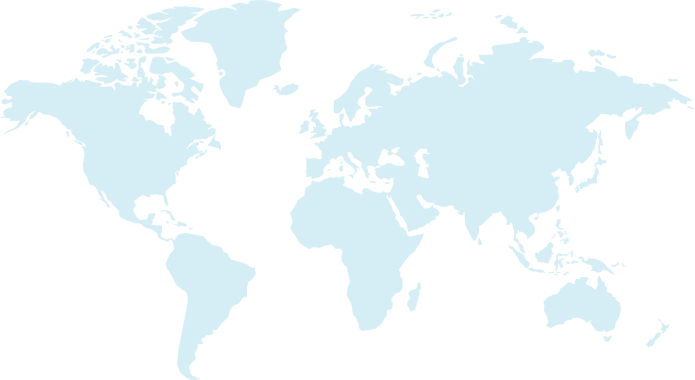
Regional Analysis
North America held the largest market share in 2025, supported by strong
public infrastructure investment, advanced digital ecosystems, and the
widespread adoption of smart city technologies. The United States leads
regional adoption through investments in artificial intelligence, cloud
computing, intelligent transportation, emergency response, and connected public
services. Canada is advancing smart city development through digital
infrastructure, intelligent energy management, sustainable urban planning, and
connected transportation systems. Mexico is also creating opportunities through
urban modernisation, smart mobility, digital governance, and improvements in
public utilities. The presence of established technology providers, growing
demand for data-driven urban management, and continued investment in public
infrastructure are supporting market growth across the region.
Asia-Pacific is expected to grow fastest. China is advancing smart city
development through artificial intelligence, digital twins, intelligent
transportation, and connected infrastructure. India is investing in urban
modernisation, digital governance, smart utilities, and integrated public
services through government-backed initiatives. Japan is focusing on smart
mobility, energy-efficient buildings, disaster management, and advanced urban
technologies. South Korea is promoting connected infrastructure, intelligent
transportation systems, automated public services, and data-driven urban
planning. Growing government support, rapid urbanisation, expanding digital
infrastructure, and increasing adoption of artificial intelligence and cloud
platforms are expected to accelerate smart city digital market growth across
the region.
Countries
and Regions Covered
North America
(Dominating Region)
o United
States (Largest Country Market)
o Canada
o Mexico
Asia-Pacific
(Fastest Growing Region)
o China
(Largest Country Market)
o India
(Fastest-Growing Country Market)
o Japan
o South
Korea
o Rest
of Asia-Pacific
Europe
o Germany
(Largest Country Market)
o United
Kingdom
o France
o Italy
o Rest
of Europe
Latin America
o Brazil
(Largest Country Market)
o Argentina
o Rest
of Latin America
Middle East &
Africa
o Saudi
Arabia (Largest Country Market)
o United
Arab Emirates
o Rest
of Middle East & Africa
Market Share
The Smart City Digital Market is fragmented, with technology and cloud
companies, telecom and network equipment providers, industrial automation
groups and enterprise software companies competing for the same customers.
Companies such as Cisco, IBM, Siemens, Microsoft, Huawei, Hitachi, Schneider
Electric, Honeywell, Amazon Web Services, Google, Alibaba Cloud, Oracle, SAP,
Intel and Ericsson hold strong positions through cloud infrastructure,
connectivity solutions, installed equipment, data analytics and digital
platforms. Key success factors include platform interoperability, data
security, artificial intelligence capabilities, local partnerships and the
ability to deliver projects at city scale. Leading companies are expanding
smart-city platforms, developing digital twin solutions, strengthening
connectivity infrastructure, forming strategic partnerships and providing integrated
services for urban management.
Key
Players
·
Cisco Systems, Inc. (US)
·
IBM Corporation (US)
·
Siemens AG (Germany)
·
Microsoft Corporation (US)
·
Huawei Technologies Co., Ltd. (China)
·
Hitachi, Ltd. (Japan)
·
Schneider Electric SE (France)
·
Honeywell International Inc. (US)
·
Amazon Web Services, Inc. (US)
·
Google LLC (US)
·
Alibaba Cloud (China)
·
Oracle Corporation (US)
·
SAP SE (Germany)
·
Intel Corporation (US)
·
Ericsson (Sweden)
Recent
Market Developments
- October 2025: Cisco
partnered with the City of Los Angeles and local nonprofits to launch free
public Wi-Fi along the Crenshaw Corridor, expanding digital connectivity and
supporting smart-city services.
- March 2026: Huawei
partnered with iSSTech to launch the City Intelligent Agent Solution, using AI
and big data to improve urban governance, public safety, and digital city
management, supporting growth in the Smart City Digital Market.
- June 2025: Ericsson
partnered with SPIE and Unitel to deploy a private 5G network in Istres,
France, enhancing secure communications, video surveillance, and public safety
while supporting smart-city connectivity and digital urban services.
Frequently Asked Questions
What is the Smart City Digital Market?
The Smart City Digital Market covers the hardware, software and services that digitise city infrastructure and public services, including sensors, platforms, analytics and digital twins.
What is driving the Smart City Digital Market growth?
Growth is driven by fast urbanisation, government infrastructure spending, falling sensor and connectivity costs, artificial intelligence and climate and sustainability goals.
What is the size of the Smart City Digital Market?
The global Smart City Digital Market was valued at USD 750.40 billion in 2025 and is projected to reach USD 2,498.67 billion by 2034, growing at a CAGR of 14.3%.
Which region dominates the Smart City Digital Market?
North America dominates the market in 2025, while Asia-Pacific is the fastest-growing region.
Which component leads the market?
Software leads the market because city platforms, analytics and digital twin tools are sold by subscription and serve many city services.
Which enabling technology is growing the fastest?
AI and digital twins are growing the fastest, as cities move from watching data to predicting problems and testing decisions in virtual models.
1
What is the Smart City Digital Market?
2
What is the CAGR of the Smart City Digital Market?
3
Which component leads the Smart City Digital Market?
4
Which region has the highest market share?
5
Which enabling technology is growing the fastest?
6
What are the latest trends in the Smart City Digital Market?
7
Who are the key players in the Smart City Digital Market?

Strong Industry Focus

Extensive Product Offerings

Customer Research Services

Robust Research Methodology

Comprehensive Reports

Latest Technological Developments

Value Chain Analysis

Potential Market Opportunities

Growth Dynamics

Quality Assurance

Post-sales Support

Regular Report Updates