Overview
The global
Green Roofing Market was valued at USD 2.4 billion in 2025 and is projected to
reach USD 9.3 billion by 2034, growing at a CAGR of 16.3% during the forecast
period (2026-2034). The market is driven by the increased focus on sustainable
urban development, higher standards of energy efficiency in buildings, greater
investment in climate-resistant infrastructure, and urban biodiversity
benefits.
Green roofs are
vegetated roofing systems that incorporate layers of waterproofing, drainage,
growing medium, and plants to enhance building sustainability. They improve
energy efficiency, reduce urban heat island effects, manage stormwater runoff,
enhance air quality, and support urban biodiversity, making them an
increasingly important solution in sustainable construction and
climate-resilient infrastructure. The market is shifting from conventional extensive
green roof that requires little effort to maintain to multifunctional green
roofs that combine biodiversity, storm water management, and biosolar designs.
Government
initiatives, such as France's Climate and Resilience Law, require new
commercial buildings and large-scale renovation projects to cover a significant
portion of their roof area with either vegetation or renewable energy systems.
The progressively increasing coverage requirements are expected to accelerate
the adoption of green roofing solutions and support sustainable urban
development.
By region,
Europe held the largest share of the green roofing market in 2025, supported by
long-standing building-code integration of green roofs across Germany,
Switzerland, and the Netherlands. North America is expected to be the
fastest-growing region during the forecast period, driven by municipal
green-roof and sustainable-roof mandates, growing retrofit activity, and
expansion of specification-driven waterproofing and roofing manufacturers into
the vegetated roofing segment.
Market Size & Share
| Study Period: |
2021-2034 |
| Market Size in 2025: |
USD 2.4 Billion |
| Market Size in 2026: |
USD 2.8 Billion |
| Market Size by 2034: |
USD 9.3 Billion |
| Unit Value: |
USD Billion |
| Projected CAGR: |
16.3% (2026-2034) |
| Largest Region: |
Europe |
| Fastest-Growing Region: |
North America |
| Fastest-Growing Type: |
Intensive Green Roofs |
Market Dynamics
Key Market Trend
Integration
of Biosolar and Sensor-Monitored Green Roof Systems Emerging as a
Transformational Trend
- Building owners and design
professionals are increasingly integrating green roofs with rooftop solar
systems through biosolar roof designs, enabling buildings to meet both
renewable energy and sustainability objectives.
- Sensor-controlled watering and
monitoring systems, which are linked with weather data feeds, are being offered
by manufacturers to conserve water and reduce maintenance calls, resulting in
better plant survivability in commercial applications
- Organizations that specialize in
waterproofing and building envelopes are diversifying to include vegetative
roofs by developing products and making acquisitions to increase the number of
integrated roof systems available.
- Regulatory authorities are building on
existing requirements concerning renewable energy or green roofs. According to
Article 101 of France’s Act on Climate and Resilience, the minimum proportion
of the roof area which should be covered by qualified new or renovated
commercial buildings will increase from 30% to 40% on July 1, 2026, and 50% on
July 1, 2027.
Key Market Driver
Expansion
of Municipal Green Roof and Sustainable Roof Mandates is Driving Market Growth
- City and national governments are
using green roofing mandates as a direct policy tool to manage stormwater
runoff, mitigate urban heat island effects, and support building-level carbon
reduction targets, creating sustained demand for green roof installations.
- Property developers have been
progressively incorporating green roofs to assist with obtaining green building
certifications, including LEED and BREEAM certifications, which are often
associated with premium leases, tax breaks, or planning approvals in congested
urban environments.
- Aging commercial roofing stock is
driving replacement activity, while increasingly stringent municipal
regulations are encouraging property owners to incorporate green roofs or
rooftop solar systems during roof renovation projects.
- Local Laws 92 and 94 of New York City
mandate that any new construction or extensive roof renovation must incorporate
a green roof, solar photovoltaic system, or a blend of both on all roofs, and
the City’s Department of Buildings will continue enforcing such regulations
until 2026.
Market Opportunity
Growth
of Retrofit and Building-Envelope Consolidation Creates Significant Market
Opportunity
- Significant portion of the roof market
in developed countries is near the point when replacement of its membrane is
needed, presenting an addressable retrofit market potential for vegetation
roofing systems targeting lighter budgets.
- Underserved regions, including
Asia-Pacific, Latin America, and the Middle East, hold much untapped potential
in terms of the growth of urbanization as cities begin to implement green
infrastructure programs akin to those already in place in Europe and North
America.
- Building envelope and specialty
chemicals firms are looking to acquire existing green roof companies to
immediately benefit from their own technologies and specification relationships
rather than creating their own capabilities, thus making room for
acquisition-led portfolio extension.
- Sika AG acquired Elmich Pte Ltd, a
company based in Singapore that supplies products related to urban greening and
green roof technology. This move was aimed at creating a new growth platform
for the company’s roofing and waterproofing division in the Asia-Pacific
market.

Green Roofing Market size, (2025-2034) USD Billion
Segmentation Analysis
Analysis by Type
Extensive green
roofs held the largest market share in 2025 driven by their shallow substrate
requirements, lower structural load demands, and minimal maintenance needs,
which make them a cost-effective solution compared with other green roof types,
particularly across commercial and industrial applications. Their ability to
enhance thermal insulation, improve stormwater management, and extend roof
lifespan has further strengthened their adoption in urban environments.
Increasing integration of green building practices and rising retrofit
activities are expected to support the continued growth and market position of
extensive green roofs during the forecast period.
Intensive green
roofs are projected to grow at the fastest CAGR during the forecast period, supported
by rising demand for rooftop gardens, recreational spaces, and
biodiversity-enhancing landscapes in urban areas. Their ability to support
diverse vegetation, improve occupant well-being, and enhance the aesthetic
value of buildings is driving their adoption in premium residential
developments, commercial properties, and mixed-use projects. Furthermore,
increasing investments in sustainable urban planning, climate-resilient
infrastructure, and green building initiatives are expected to accelerate demand
for intensive green roof solutions.
Type
categories include:
·
Extensive Green Roofs (Dominating Segment)
·
Intensive Green Roofs (Fastest-Growing Segment)
·
Semi-Intensive Green Roofs
Analysis by Component
Waterproofing
membranes held the largest market share in 2025 as they represent the most
valuable and performance-critical component of a green roofing system. These
membranes require advanced properties, including root resistance, long-term
durability, and multi-decade warranties, making them a major contributor to
overall system costs. Their primary function of preventing water infiltration
and protecting the underlying roof structure makes them an essential element
for ensuring the longevity and reliability of green roofs.
Vegetation and
growing medium are projected to grow at the fastest CAGR during the forecast
period, driven by the rising adoption of plant species and engineered
substrates that improve plant survival, enhance water retention, and reduce
structural load requirements, particularly in retrofit applications. Growing
emphasis on biodiversity-friendly native vegetation, urban ecosystem
enhancement, stormwater management, and climate-resilient landscape solutions
is accelerating the adoption of advanced vegetation systems. Furthermore, continuous
innovations in engineered growing media, focused on improving nutrient
availability, moisture retention, and plant growth performance, are expected to
further support segment expansion.
Component
categories include:
·
Waterproofing Membrane (Dominating Segment)
·
Vegetation & Growing Medium (Fastest-Growing Segment)
·
Drainage Layer
·
Insulation
·
Others
Analysis by Application
Commercial
buildings held the largest market share in 2025 driven by the growing emphasis
on corporate sustainability initiatives, adoption of green building
certification standards, and regulatory mandates encouraging sustainable
infrastructure across large commercial developments. The concentration of green
roof installations across office buildings, retail spaces, and mixed-use properties
has significantly contributed to the segment’s leading position, as these
facilities offer substantial rooftop areas and greater potential for
environmental performance improvements.
Residential
applications are projected to grow at the fastest CAGR during the forecast
period, supported by increasing homeowner interest in energy-efficient
renovations, the growing availability of lightweight modular green roof systems
suitable for smaller roof areas, and the implementation of residential
incentive programs across several European and North American cities. Rising
awareness of the benefits associated with green roofs, including improved
thermal insulation, reduced energy consumption, lower utility costs, and
enhanced property value, is further accelerating adoption. Additionally,
advancements in modular and easy-to-install green roofing solutions are
enabling broader penetration of these systems within the residential sector.
Application
categories include:
·
Commercial (Dominating Segment)
·
Residential (Fastest-Growing Segment)
·
Industrial
·
Institutional
Analysis by Building Type
New
construction held the largest market share in 2025 as integrating green roof
systems during the initial design and planning phase enables efficient
consideration of structural load requirements, drainage systems, and irrigation
infrastructure without the additional costs associated with modifying existing
structures. Early-stage incorporation also facilitates compliance with green
building standards and certification requirements while optimizing overall
building performance. The growing adoption of sustainable architectural
practices, energy-efficient building designs, and environmentally responsible
construction approaches is expected to further drive demand for green roofing solutions
in new developments.
Retrofit
projects are projected to grow at the fastest CAGR during the forecast period, driven
by the increasing replacement needs of aging commercial roof infrastructure and
the growing implementation of municipal regulations that encourage sustainable
roofing solutions during major renovation projects. Advancements in lightweight
green roof technologies, improved waterproofing systems, and installation
techniques are enabling the adoption of green roofs in existing buildings with
minimal structural modifications. These developments, combined with rising
efforts to enhance building energy efficiency and sustainability, are expected
to accelerate segment growth.
Building
Type categories include:
·
New Construction (Dominating Segment)
·
Retrofit (Fastest-growing Segment)
By Region
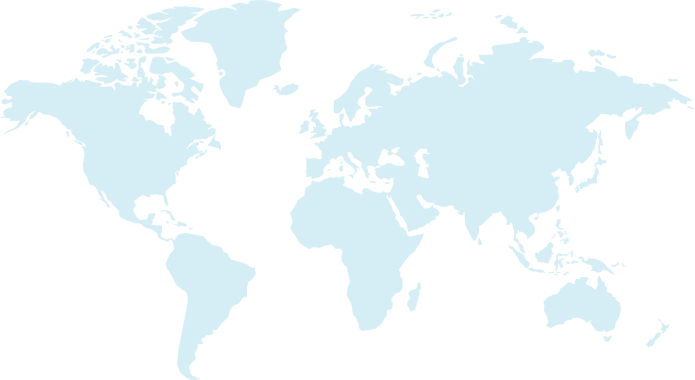
Green Roofing Market Regnal Analysis
Green Roofing Market share, 2025 (USD Billion)
Regional Analysis
Europe held the
largest market share in 2025 supported by the region’s long-standing regulatory
focus on sustainable construction, green infrastructure development, and urban
climate adaptation initiatives. Countries such as Germany, Switzerland, the
Netherlands, and France have been early adopters of green roofing solutions,
resulting in a mature ecosystem of system suppliers, certified installers,
architects, and municipal incentive programs. Germany represents the largest
market in Europe, driven by decades of green building policies, municipal
stormwater fee reduction schemes, and widespread adoption of green roof
requirements across cities such as Berlin, Hamburg, and Munich. Switzerland has
also demonstrated strong adoption through strict urban planning policies and
incentives promoting ecological building practices, while the Netherlands has
accelerated green roof deployment through city-level subsidies and
climate-resilience programs in urban areas such as Amsterdam and Rotterdam.
France is emerging as a significant growth market, supported by regulations
under the Climate and Resilience Law, which require qualifying new commercial
buildings and major renovations to incorporate roof coverage through vegetation
or renewable energy systems, strengthening the country’s green roof
installation base.
North America
is the fastest-growing region in the green roofing market, led primarily by the
United States and supported by increasing municipal regulations, climate
adaptation initiatives, and commercial retrofit demand. In the United States,
cities including New York, Chicago, Portland, and San Francisco have introduced
policies, incentives, and building standards promoting green roofs and sustainable
roofing systems. New York City’s Local Laws 92 and 94 require sustainable
roofing zones, including green roofs, solar panels, or a combination of both,
for new construction and major roof replacements, creating a strong regulatory
foundation for market expansion. In Canada, cities such as Toronto and
Vancouver are advancing green roof adoption through municipal bylaws, incentive
programs, and climate-resilience strategies aimed at reducing urban heat and
managing stormwater. Additionally, strategic acquisitions by building-envelope
manufacturers, such as Sika’s acquisition of American Hydrotech, have
strengthened product availability, technical support, and specification
capabilities across the region. Rising demand for energy-efficient buildings,
coupled with the need to replace aging commercial roofing infrastructure, is
expected to further accelerate green roof adoption across North America.
Countries
and Regions Covered
·
Asia-Pacific
o
China
o
India
o
Japan
o
South Korea
o
Rest of Asia-Pacific
·
North America (Fastest Growing Region)
o
United States (Largest Country
Market)
o
Canada
o
Mexico
·
Europe (Dominating Region)
o
Germany (Largest Country
Market)
o
France
o
United Kingdom
o
Italy
o
Rest of Europe
·
Latin America
o
Brazil
o
Chile
o
Rest of Latin America
·
Middle East & Africa
o
Saudi Arabia
o
United Arab Emirates
o
Rest of Middle East &
Africa
Market Share
The global
green roofing market is fragmented, with a limited number of large, diversified
building envelope and specialty chemical companies alongside numerous regional
and specialized green roof solution providers. Competition within the market is
primarily driven by system performance warranties, technical expertise in roof
system specifications, strong relationships with architects and landscape
designers, and the ability to offer integrated solutions across waterproofing,
drainage, growing media, and vegetation components, rather than pricing alone. Leading
market participants are increasingly pursuing strategic acquisitions of
regional green roofing specialists to expand their geographic presence and
strengthen installation capabilities. Companies are also investing in modular
pre-vegetated green roof systems to streamline installation processes, reduce
project complexity, and improve adoption across commercial and retrofit
applications. Furthermore, the integration of sensor-based irrigation, remote
monitoring, and smart roof management technologies is emerging as a key
value-added strategy, enabling improved maintenance efficiency, optimized water
usage, and enhanced performance of premium green roofing systems.
Key Players
·
Sika AG (Switzerland)
·
Bauder Ltd. (UK)
·
Optigrün International AG
(Germany)
·
Sempergreen Group (Netherlands)
·
SOPREMA SAS (France)
·
Holcim (Switzerland)
·
XeroFlor GmbH (Germany)
·
Tremco Incorporated (US)
·
GAF Materials Corporation (US)
·
Carlisle Companies Incorporated
(US)
·
Vegetal i.D. (France)
·
LiveRoof, LLC (US)
·
Columbia Green Technologies
(US)
·
Alumasc Group PLC (UK)
·
Wallbarn Ltd. (UK)
·
Urbanscape / Knauf Insulation
(Germany)
·
Danosa (Spain)
·
IKO Industries (Canada)
·
Polyfin AG (Germany)
·
ABG Ltd. (UK)
Recent
Market Developments
- In February
2025, Sika AG acquired Elmich Pte Ltd, a Singapore-headquartered supplier of
urban greening and green roof systems, giving Sika a new growth platform for
its roofing and waterproofing business in the Asia-Pacific region and
strengthening its specification-driven commercial and residential green roof
offering. The company noted the Asia-Pacific green roof and facade segment is
forecast to grow at approximately 5.5% annually to 2032.
- In February
2025, GAF unveiled new roofing innovations at the 2025 International Roofing
Expo, including a full line of TCPP-free polyiso insulation products and
primerless self-adhered commercial roofing accessories, extending its
sustainable commercial roofing portfolio that supports vegetated and reflective
roof assemblies.
- In September
2025, GAF launched a new Specialty Products and Services business unit,
consolidating its SGI, Standard Logistics, and Glass Mat operations under
unified leadership to strengthen supply chain alignment across its roofing and
building materials portfolio, including specialty and sustainability-focused
product lines.
- In May 2026,
The New York City Department of Buildings continued phased enforcement of Local
Laws 92 and 94, which mandate green roof or solar photovoltaic installation on
new construction and major roof replacements citywide, while granting certain
compliance-timeline extensions under related Local Law 88 requirements through
May 1, 2026.
Frequently Asked Questions
What is the Green Roofing Market?
The Green Roofing Market covers vegetated roofing systems, comprising waterproofing membranes, drainage layers, growing medium, and vegetation, installed across residential, commercial, industrial, and institutional buildings.
What is driving the Green Roofing Market growth?
Growth is driven by municipal green roof and sustainable roof mandates, rising retrofit activity, and expanding acquisition-led product portfolios among building-envelope manufacturers.
What is the size of the Green Roofing Market?
The global Green Roofing Market was valued at USD 2.4 billion in 2025 and is projected to reach USD 9.3 billion by 2034, growing at a CAGR of 16.3%.
Which region dominates the Green Roofing Market?
Europe dominates the market, supported by long-standing building codes and incentive programs in Germany, Switzerland, and the Netherlands, while North America is the fastest-growing region.
Which type is growing the fastest in Green Roofing?
Intensive green roofs are the fastest-growing type, driven by demand for accessible rooftop gardens and biodiversity-focused plantings.
What are the main applications for Green Roofing?
Major applications include commercial, residential, industrial, and institutional buildings, with commercial currently the largest segment.
2
What is the CAGR of the Green Roofing Market?
3
Which type leads the Green Roofing Market?
4
Which application dominates the Green Roofing Market?
5
Which component has the highest market share?
6
What are the latest trends in the Green Roofing Market?

Strong Industry Focus

Extensive Product Offerings

Customer Research Services

Robust Research Methodology

Comprehensive Reports

Latest Technological Developments

Value Chain Analysis

Potential Market Opportunities

Growth Dynamics

Quality Assurance

Post-sales Support

Regular Report Updates