Overview
The global Bucket Elevator Market was valued at USD 1,320 million in 2025
and is projected to reach USD 1,962 million by 2034, growing at a CAGR of 4.5%
during the forecast period (2026–2034). The market is driven by rising demand
for efficient bulk material handling across agriculture, mining, and industrial
sectors.
The market is shifting toward higher-capacity, easier-to-service and
safer elevators. Manufacturers are adding multiple inspection doors, removable
panels and external adjustments so that crews can maintain equipment without
entering confined spaces, and are offering sensors for belt alignment,
temperature and speed.
Government storage and food security programmes support demand, with
India targeting an increase in agricultural warehousing capacity from 240
million tonnes in 2023–24 to over 390 million tonnes by 2029–30, and silo
capacity from 3 million tonnes in 2025 to 30 million tonnes by 2030. Its
decentralised grain storage plan has also completed warehouses at 313
cooperative societies. These facilities require bucket elevators for bulk grain
handling, while explosion-safety regulations encourage safer equipment designs.
By region, North America held the largest market share in 2025, supported by
large grain handling systems, cement and aggregate plants, and a large base of
elevator replacement, while Asia-Pacific is expected to be the fastest-growing
region during the forecast period.
Market Size & Share
| Study Period |
2021-2034 |
| Market Size in 2025 |
USD 1,320 Million |
| Market Size in 2026 |
USD 1,379 Million |
| Market Size by 2034 |
USD 1,962 Million |
| Unit Value |
USD Million |
| Projected CAGR |
4.5% (2026-2034) |
| Largest Region |
North America |
| Fastest-Growing Region |
Asia-Pacific |
| Fastest-Growing Traction Element |
Chain |
Market Dynamics
KEY
MARKET TREND
Maintenance-Friendly, Safer
and Higher-Capacity Elevator Designs Emerging as a Transformational Trend
- Suppliers are
redesigning heads, boots and casings with larger inspection doors, removable
panels and external adjustments, which cuts maintenance time and keeps workers
out of confined spaces.
- Operators are asking
for higher-capacity elevators with bigger buckets and stronger belts and
chains, so that a single leg can replace several smaller ones and reduce the
number of drives and bearings to service.
- Sensors and condition
monitoring for belt speed, alignment, bearing temperature and bucket wear are
being added to prevent breakdowns and reduce explosion risk in dust-laden
environments.
- According to the U.S.
Occupational Safety and Health Administration (OSHA), bucket elevators must
provide access to head pulley and boot sections for inspection, maintenance,
and cleaning, encouraging demand for maintenance-friendly elevator designs in the
Bucket Elevator Market.
KEY
MARKET DRIVER
Grain Storage Expansion and
Bulk-Material Processing Capacity Driving Demand for Bucket Elevators
- Grain terminals, feed
mills and silos need bucket elevators to lift grain into storage and
processing, so farm output growth and storage investment directly lift orders.
- Cement, lime,
fertiliser, mining and chemical plants use bucket elevators to move raw meal,
clinker, ores and powders vertically, so capacity additions in these industries
create steady equipment demand.
- Compared with pneumatic
or other lifting methods, bucket elevators use less energy per tonne and handle
a wide range of materials in a compact footprint, which keeps them the standard
choice for vertical bulk lifting.
- The Indian government’s
targets call for raising silo capacity from about 3 million tonnes in 2025 to
about 30 million tonnes by 2030, and reported grain losses of under 1% in silos
compared with 5% to 10% in traditional godowns.
KEY
MARKET OPPORTUNITY
Replacement of Ageing
Elevators and Warehousing Expansion in Emerging Markets Creating Significant
Opportunity
- Many elevators
installed decades ago are reaching the end of their life, and owners need
replacements or refurbishment, particularly where the original supplier no
longer offers service or spares.
- Aftermarket supply of
buckets, belts, chains, bearings and monitoring systems offers recurring
revenue, since wear parts must be replaced during the life of each elevator.
- Emerging markets in
Asia, Africa and the Middle East are building new cement plants, grain
terminals and mineral processing sites, which creates demand for first-time
installations from suppliers with local service.
- According to India’s
Ministry of Cooperation, a grain-storage gap of 46.92 lakh metric tonnes across
378 districts and locations creates opportunities in the Bucket Elevator Market
as new warehousing projects increase demand for bulk grain-handling equipment.
Bucket Elevator Market Size, 2025-2034 (USD Million)
Segmentation Analysis
Analysis
by Discharge Type
Centrifugal discharge elevators held the largest market share in 2025
because they are simple, low-cost and well suited to free-flowing materials
such as grain, seed, sand and many powders. Buckets are spaced apart and fling
the material out at high speed as they pass the head pulley, so the design
needs few moving parts and is easy to maintain. It is the standard choice in
grain handling, feed mills and many cement and aggregate applications, and a
large installed base of replacement buckets, belts and parts supports steady
aftermarket sales. Suppliers offer it in a wide range of sizes.
Continuous discharge elevators are projected to grow at the fastest CAGR
during the forecast period. Their closely spaced buckets pour material out
gently over the back of the preceding bucket, which suits fragile, sticky,
abrasive or heavy materials and allows higher throughput at lower speed, with
less wear and breakage. They are used for large grain terminals, minerals,
fertiliser and chemicals, where product quality and bucket life matter. As
operators raise throughput and look for lower maintenance, new high-capacity
designs from suppliers such as Aumund and Beumer are expected to lift this
segment from a smaller base.
Discharge Type categories
include
- Centrifugal Discharge (Dominating Segment)
- Continuous Discharge (Highest CAGR Segment)
- Positive Discharge
Analysis
by Traction Element
Belt elevators held the largest market share in 2025, supported by their
quieter operation, lighter construction, lower operating costs, and suitability
for handling grain, feed, seeds, and other lightweight materials. Their ability
to operate at higher speeds with less lubrication and relatively low
maintenance requirements makes them a preferred choice for grain terminals,
feed mills, and agricultural processing facilities. Their widespread use across
established grain-handling markets is further supported by easy access to
replacement belts, buckets, and splicing components, which helps minimize
downtime and simplify maintenance.
Chain elevators are projected to grow at the fastest CAGR during the
forecast period, driven by rising demand for heavy-duty material handling in
cement, mining, fertilizer, and other industrial applications. Their robust
construction and high load-bearing capacity make them suitable for conveying
hot, abrasive, heavy, and irregular materials such as clinker, raw meal,
minerals, and coal, which can cause faster wear and stretching in belt-based
systems. Their ability to handle demanding operating conditions, lift materials
to significant heights, and maintain reliable performance in harsh industrial
environments strengthens their adoption in new production facilities.
Traction Element categories
include
- Belt (Dominating Segment)
- Chain (Highest CAGR Segment)
Analysis
by Capacity
The 100–500 tonne-per-hour segment held the largest market share in 2025,
supported by its suitability for a wide range of agricultural, commercial, and
industrial material-handling applications. This capacity range meets the
requirements of farm grain elevators, country elevators, feed mills, and
medium-sized cement, fertilizer, and processing plants, offering a practical
balance between throughput, installation costs, and operating efficiency. The
availability of standardized equipment, compatible drive systems, and readily
accessible replacement components further supports adoption by reducing
maintenance complexity and equipment downtime.
Elevators above 500 tonnes per hour are projected to grow at the fastest
CAGR during the forecast period, driven by increasing demand for high-volume
material handling in large grain terminals, export ports, cement plants, and
mining operations. These systems can transport substantial material volumes
over significant vertical distances, helping facilities improve throughput
while reducing the need for multiple smaller elevators and associated drive
systems. Their suitability for large-scale storage infrastructure, continuous
industrial production, and bulk commodity handling is expected to strengthen
adoption as companies expand processing capacity and modernize
material-handling operations.
Capacity categories include
- 100-500 t/h (Dominating Segment)
- Above 500 t/h (Highest CAGR Segment)
- Below 100 t/h
Analysis
by End Use
Agriculture and grain handling held the largest market share in 2025,
supported by widespread use of bucket elevators across grain storage
facilities, terminals, feed mills, seed processing plants, and ethanol
production facilities. These systems are essential for lifting grain into
storage bins, silos, and processing lines, enabling efficient material movement
throughout agricultural supply chains. Continued agricultural production,
expanding storage infrastructure, and efforts to reduce grain losses sustain
demand for reliable conveying equipment.
Cement and building materials is projected to grow at the fastest CAGR
during the forecast period, driven by increasing investment in cement
production capacity, infrastructure development, and industrial modernization.
Cement manufacturing facilities rely on bucket elevators to transport raw meal,
clinker, cement, and additives between processing stages, often under demanding
operating conditions and across considerable vertical distances. The
development of new production lines and the expansion of existing plants are
expected to increase demand for high-capacity belt and chain elevators designed
to handle heavy, abrasive materials.
End Use categories include
- Agriculture and Grain Handling (Dominating Segment)
- Cement and Building Materials (Highest CAGR Segment)
- Mining and Minerals
- Chemicals and Others
By Region
Bucket Elevator Market Share 2025, (CAGR)
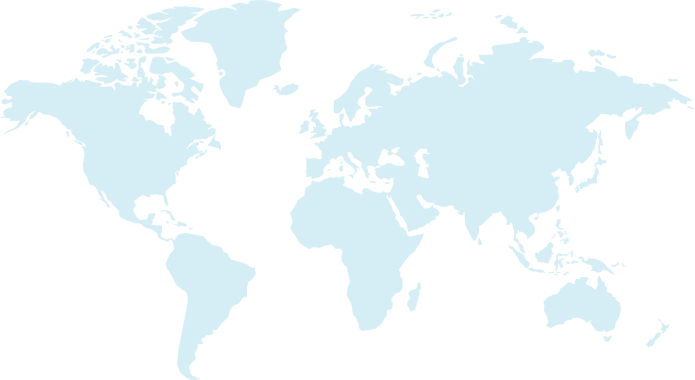
North America held the largest market share in 2025, supported by its
established grain-handling industry, extensive storage infrastructure, and
demand for replacing ageing bucket elevators. The United States benefits from a
large network of grain terminals, feed mills, and agricultural processing
facilities, while Canada’s grain production and export-oriented storage
infrastructure support demand for efficient bulk-handling equipment. In Mexico,
investments in food processing, grain storage, cement production, and
industrial infrastructure create opportunities for bucket elevator suppliers.
Manufacturers are focusing on higher-capacity systems, flexible installation
designs, and equipment modernization to meet changing operational requirements,
although demand remains sensitive to agricultural investment cycles and
industrial spending.
Asia-Pacific is projected to grow at the fastest CAGR during the forecast
period, driven by expanding grain storage infrastructure, industrial
development, and rising demand for bulk material-handling equipment. India’s
growing investment in grain silos, cooperative warehouses, and agricultural
infrastructure supports demand for bucket elevators, while domestic
manufacturers serve the needs of grain handling, cement, and other industrial
facilities. China benefits from its extensive manufacturing base and continued
investment in cement production, mining, food processing, and industrial automation.
Japan’s established industrial sector and focus on equipment reliability and
modernization support demand for advanced conveying systems and elevator
components. South Korea’s steel, cement, mining-related, and food-processing
industries also provide opportunities for bucket elevator suppliers,
particularly through plant upgrades and demand for efficient material handling.
Across the region, local manufacturing, infrastructure expansion, and
modernization of existing facilities are expected to support market growth.
Countries
and Regions Covered
North America (Dominating Region)
- United States (Largest Country Market)
- Canada
- Mexico
Asia-Pacific (Fastest Growing Region)
- China (Largest Country Market)
- India (Fastest-Growing Country Market)
- Japan
- South Korea
- Rest of Asia-Pacific
Europe
- Germany (Largest Country Market)
- United Kingdom
- France
- Italy
- Rest of Europe
Latin America
- Brazil (Largest Country Market)
- Argentina
- Rest of Latin America
Middle East & Africa
- Saudi Arabia
- United Arab Emirates
- Rest of Middle East & Africa
Market Share
The Bucket Elevator Market is fragmented, with global bulk-material
handling companies competing alongside specialized grain-handling equipment
manufacturers and regional suppliers. Companies such as Ag Growth
International, BEUMER Group, AUMUND Group, FEECO International, Tsubakimoto
Chain, Cimbria, Sukup Manufacturing, CTB, Zeppelin Systems, Bühler Group,
InterSystems, Mathews Company, Chief Industries, Screw Conveyor Corporation and
Sudenga Industries compete through product reliability, engineering expertise,
capacity range and application-specific solutions. Key success factors include
operational safety, ease of maintenance, energy efficiency, spare parts
availability and after-sales service. Manufacturers are focusing on
high-capacity elevator designs, improved maintenance accessibility, integrated
grain-handling systems, manufacturing expansion and enhanced monitoring
capabilities to strengthen their competitive positions.
Key
Players
- Ag Growth International Inc. (Canada)
- BEUMER Group GmbH & Co. KG (Germany)
- AUMUND Group (Germany)
- FEECO International, Inc. (US)
- Tsubakimoto Chain Co. (Japan)
- Cimbria A/S (Denmark)
- Sukup Manufacturing Co. (US)
- CTB, Inc. (US)
- Zeppelin Systems GmbH (Germany)
- Bühler Group (Switzerland)
- Intersystems (US)
- Mathews Company (US)
- Chief Industries, Inc. (US)
- Screw Conveyor Corporation (US)
- Sudenga Industries, Inc. (US)
Recent
Market Developments
- February 2026: Ag
Growth International launched a new bucket elevator designed to improve
maintenance access, operational safety, and equipment uptime, strengthening its
product offering in the bucket elevator market.
- November 2025: AUMUND
Group introduced its Push Chain Bucket Elevator alongside its electrified
Linear Calcination Conveyor, expanding its industrial conveying portfolio and
strengthening its position in the bucket elevator market through product
innovation for bulk-material handling applications.
- December 2025: BEUMER
Group inaugurated a new INR 2 billion manufacturing facility in Haryana, India,
expanding its regional production capabilities and strengthening its ability to
serve growing demand for material-handling solutions, including bucket
elevators.
Frequently Asked Questions
What is the Bucket Elevator Market?
The Bucket Elevator Market covers vertical conveyors that lift bulk materials such as grain, cement raw meal, minerals and chemicals in buckets fixed to a belt or chain, together with their parts and services.
What is driving the Bucket Elevator Market growth?
Growth is driven by grain storage expansion, cement and mineral processing capacity, replacement of ageing elevators and demand for safer, easier-to-maintain designs.
What is the size of the Bucket Elevator Market?
The global Bucket Elevator Market was valued at USD 1,320 million in 2025 and is projected to reach USD 1,962 million by 2034, growing at a CAGR of 4.5%.
Which region dominates the Bucket Elevator Market?
North America dominates the market with a 33% share in 2025, while Asia-Pacific is the fastest-growing region.
Which discharge type leads the market?
Centrifugal discharge elevators lead the market because they are simple, low-cost and suited to grain and other free-flowing materials.
Which traction element is growing the fastest?
Chain elevators are growing the fastest, supported by cement, mining and fertiliser capacity additions that need heavy-duty lifting.
1
What is a Bucket Elevator?
2
What is the CAGR of the Bucket Elevator Market?
3
Which discharge type leads the Bucket Elevator Market?
4
Which region has the highest market share?
5
Which end use is growing the fastest?
6
What are the latest trends in the Bucket Elevator Market?
7
Who are the key players in the Bucket Elevator Market?

Strong Industry Focus

Extensive Product Offerings

Customer Research Services

Robust Research Methodology

Comprehensive Reports

Latest Technological Developments

Value Chain Analysis

Potential Market Opportunities

Growth Dynamics

Quality Assurance

Post-sales Support

Regular Report Updates