Overview
The global Aesthetic Devices Market was valued at USD 18.50 billion in 2025 and is projected to reach USD 49.28 billion by 2034, growing at a
CAGR of 11.5% during the forecast
period (2026–2034). The market is driven by rising demand for non-invasive
cosmetic procedures, technological advancements, and increasing aesthetic
awareness.
The market is shifting from single-purpose lasers to multi-application
platforms that combine several energies, from capital equipment to consumables
and recurring treatments, and from clinic-only use to home and hybrid models.
Manufacturers are adding artificial intelligence, connected software and
analytics so clinics can manage treatments and track results.
Regulatory requirements and professional standards influence the
Aesthetic Devices Market. In the United States, aesthetic devices require
clearance from the Food and Drug Administration, and Dermalogica received FDA
clearance for its PRO Pen microneedling system as a Class II device in
September 2025. The International Society of Aesthetic Plastic Surgery recorded
approximately 35 million procedures in its 2025 global survey. By region, North
America held the largest market share in 2025 and Asia-Pacific is expected to
be the fastest-growing region during the forecast period.
Market Size & Share
| Study Period: |
2021-2034 |
| Market Size in 2025: |
USD 18.50 Billion |
| Market Size in 2026: |
USD 20.63 Billion |
| Market Size by 2034: |
USD 49.28 Billion |
| Unit Value: |
USD Billion |
| Projected CAGR: |
11.5% (2026-2034) |
| Largest Region: |
North America |
| Fastest-Growing Region: |
Asia-Pacific |
| Fastest-Growing Application: |
Body Contouring and Cellulite Reduction |
Market Dynamics
KEY MARKET TREND:
Shift to Multi-Application
Platforms, Non-Invasive Treatments and Older Patients Emerging as a
Transformational Trend
- Clinics prefer
platforms that combine radiofrequency, laser, ultrasound or muscle stimulation
in one system, because one purchase can treat several concerns and serve more
patients.
- Patients are moving
from surgery to treatments that need little or no downtime, so manufacturers
are designing devices for short sessions that fit into a lunch hour.
- Connected software,
treatment tracking and artificial intelligence are being added to devices so
that clinics can manage protocols, show results and sell treatment packages.
- According to the
International Society of Aesthetic Plastic Surgery (ISAPS), 17.3 million
non-surgical aesthetic procedures were performed worldwide in 2025, supporting
demand for aesthetic devices used in minimally invasive treatments and
non-surgical cosmetic procedures.
KEY MARKET DRIVER
Demand for Minimally Invasive
Treatments, Ageing Populations and Rising Beauty Spending Driving Aesthetic
Device Adoption
- Consumers want visible
improvement in skin, face and body with little recovery time, and energy-based
devices can deliver this in short sessions without surgery.
- Ageing populations in
North America, Europe and Asia are seeking skin tightening, wrinkle reduction
and volume restoration, which creates a large pool of repeat patients.
- Social media, rising
disposable income and wider access to clinics and medical spas have made
cosmetic treatments more common among younger and male patients.
- According to the World
Health Organization, the global population aged 60 and older is projected to
reach 2.1 billion by 2050, increasing demand for aesthetic devices used in skin
rejuvenation, wrinkle reduction, and age-related cosmetic treatments.
KEY MARKET OPPORTUNITY
Home-Use Devices, Combination
Care for Weight-Loss Patients and Emerging Asian Markets Creating Significant
Opportunity
- Safe, lower-energy home
devices for hair removal, skin tightening and light therapy can reach consumers
who do not visit clinics and create recurring sales of accessories and
consumables.
- Patients losing weight
with new medicines often face skin laxity and volume loss, which opens demand
for skin tightening and body contouring devices sold to clinics.
- China, India, South
Korea and Southeast Asia have growing middle classes and rapidly expanding
clinic networks, which creates room for local service, training and financing
models.
- According to the
American Society of Plastic Surgeons, more than 800,000 aesthetic patients
received weight-loss medication prescriptions through its member surgeons in
2024, with 41% of GLP-1 patients considering non-surgical procedures, creating
opportunities for aesthetic device manufacturers to address post-weight-loss
skin tightening and body-contouring needs.
Aesthetic Devices Market Size, 2025-2034 (USD Billion)
Segmentation Analysis
Analysis by Device Type
Energy-based devices held the largest market share in 2025, driven by
their versatility in treating a broad range of aesthetic concerns, including
wrinkles, pigmentation, unwanted hair, skin laxity, and unwanted fat through
laser, radiofrequency, ultrasound, light-based, and cryolipolysis technologies.
These devices offer targeted treatment options with limited downtime, making
them attractive to patients seeking effective cosmetic improvements without
extensive recovery periods. Clinics and medical spas also benefit from their
ability to perform multiple procedures using a single platform, improve
equipment utilization, and generate recurring revenue through repeat treatment
sessions.
Non-energy-based devices are projected to grow at the fastest CAGR during
the forecast period, supported by their affordability, ease of adoption, and
compatibility with a wide range of aesthetic treatments. These devices include
microneedling systems, injection devices, product-delivery tools, and other
technologies that do not rely on laser or radiofrequency energy. Their
relatively lower investment costs make them accessible to small clinics,
independent practitioners, and newly established aesthetic centres seeking to
expand their treatment offerings without significant capital expenditure.
Device Type categories
include
·
Energy-Based Devices (Dominating Segment)
·
Non-Energy-Based Devices (Highest CAGR Segment)
Analysis by Application
Skin resurfacing and tightening held the largest market share in 2025, driven
by widespread demand for treatments addressing wrinkles, pigmentation, acne
scars, uneven skin texture, and skin laxity. Laser, radiofrequency
microneedling, and ultrasound technologies provide clinics and medical spas
with versatile options for improving skin appearance and firmness while
offering alternatives to more invasive procedures. The recurring nature of many
treatments, growing interest in skin rejuvenation, and demand for age-related
cosmetic solutions further support this application. Continuous improvements in
treatment precision, patient comfort, and recovery times also encourage
adoption across a broad patient base, reinforcing its leading position.
Body contouring and cellulite reduction are projected to grow at the
fastest CAGR during the forecast period, supported by increasing demand for
non-surgical approaches to reducing unwanted fat, improving muscle definition,
and smoothing skin. Technologies such as cryolipolysis, radiofrequency, and
electromagnetic muscle stimulation enable clinics to offer targeted body
treatments without the extended recovery associated with invasive procedures.
Growing interest in body shaping, changing aesthetic preferences, and demand
for personalised treatment plans are encouraging more clinics and medical spas
to expand their service portfolios.
Application categories
include
·
Skin Resurfacing and Tightening (Dominating
Segment)
·
Body Contouring and Cellulite Reduction (Highest
CAGR Segment)
·
Hair Removal
·
Facial Aesthetics
·
Others
Analysis by Technology
Laser-based technology held the largest market share in 2025, supported
by its established use across a wide range of aesthetic procedures, including
hair removal, pigmentation correction, vascular lesion treatment, tattoo
removal, and skin rejuvenation. Its versatility allows clinics and medical spas
to address multiple patient concerns using different laser systems, while
established treatment protocols and clinical experience support practitioner
confidence and wider adoption. Continuous improvements in precision, treatment
effectiveness, patient comfort, and recovery time further strengthen demand.
Radiofrequency technology is projected to grow at the fastest CAGR during
the forecast period, driven by its expanding applications in skin tightening,
fat reduction, and microneedling-based treatments. Its ability to deliver
controlled thermal energy to targeted tissues makes it suitable for facial
rejuvenation and body-contouring procedures across a broad range of skin types,
subject to device-specific indications and treatment protocols. The development
of multifunctional platforms combining radiofrequency with microneedling,
suction, or electromagnetic muscle stimulation is further expanding treatment
options for clinics and medical spas.
Technology categories include
·
Laser-Based (Dominating Segment)
·
Radiofrequency (Highest CAGR Segment)
·
Ultrasound
·
Light-Based
·
Cryolipolysis
·
Others
Analysis by End User
Dermatology and cosmetic clinics held the largest market share in 2025,
supported by their established role in providing aesthetic procedures and
access to trained dermatologists, plastic surgeons, and cosmetic practitioners.
These facilities serve patients seeking treatments for skin rejuvenation,
pigmentation, unwanted hair, wrinkles, and body contouring, creating demand for
a broad range of aesthetic devices. Their specialised infrastructure,
experienced staff, and ability to manage diverse treatment needs support
investment in multiple device categories.
Medical spas are projected to grow at the fastest CAGR during the
forecast period, supported by increasing demand for convenient, non-surgical
aesthetic treatments and personalised cosmetic services. Their focus on
accessible locations, bundled treatment packages, and diverse service menus
appeals to consumers seeking skin rejuvenation, hair removal, skin tightening,
and body-contouring procedures without extensive recovery periods. Growing
interest among younger consumers and first-time aesthetic patients is creating
opportunities for medical spas to expand their customer base.
End User categories include
·
Dermatology and Cosmetic Clinics (Dominating
Segment)
·
Hospitals
·
Medical Spas (Highest CAGR Segment)
·
Home Use
By Region
Aesthetic Devices Market Regional Analysis
Aesthetic Devices Market Share 2025, (CAGR)
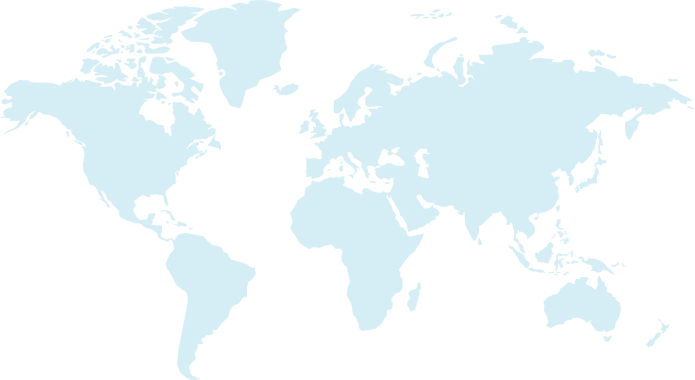
Regional Analysis
North America held the largest market share in 2025, supported by a
well-established aesthetic treatment industry, high consumer spending on
cosmetic procedures, and widespread availability of advanced devices. The
United States leads regional demand through its extensive network of
dermatology clinics, cosmetic surgery practices, and medical spas, alongside
continuous investment in innovative treatment technologies. Canada contributes
through growing interest in non-surgical skin rejuvenation, anti-aging treatments,
and cosmetic procedures, supported by established dermatology services and
specialised clinics. Mexico also supports regional demand through expanding
aesthetic treatment services, private healthcare facilities, and medical
tourism for cosmetic procedures. The presence of device manufacturers and
established distribution networks across these countries further improves
access to advanced technologies, while demand for skin tightening, hair
removal, pigmentation correction, and body contouring continues to support
market expansion.
Asia-Pacific is projected to be the fastest-growing region, driven by
rising demand for aesthetic treatments, growing beauty consciousness, and
expanding access to advanced cosmetic technologies. China is witnessing increasing
demand for skin rejuvenation, anti-aging procedures, and non-surgical body
contouring, supported by a well-developed beauty industry and expanding
aesthetic clinic networks. India is experiencing growing interest in cosmetic
treatments as disposable incomes rise, urban populations expand, and
dermatology clinics and medical spas offer a wider range of services. Japan's
market is supported by an ageing population and strong demand for skin
tightening, wrinkle reduction, and other age-related aesthetic procedures.
South Korea benefits from its established beauty and skincare industry,
advanced cosmetic technologies, and strong consumer interest in facial
rejuvenation and minimally invasive treatments. Across these countries,
expanding clinic infrastructure, technological advancements, and increasing
acceptance of aesthetic procedures are expected to support regional market
growth.
Countries
and Regions Covered
North America
(Dominating Region)
o United
States (Largest Country Market)
o Canada
o Mexico
Europe
o Germany
(Largest Country Market)
o United
Kingdom
o France
o Italy
o Rest
of Europe
Asia-Pacific
(Fastest Growing Region)
o China
(Largest Country Market)
o South
Korea
o Japan
o India
o Rest
of Asia-Pacific
Latin America
o Brazil
(Largest Country Market)
o Argentina
o Rest
of Latin America
Middle East &
Africa
o Saudi
Arabia (Largest Country Market)
o United
Arab Emirates
o Rest
of Middle East & Africa
Market Share
The Aesthetic Devices Market is fragmented, with global manufacturers and
specialised aesthetic technology providers competing on innovation, clinical
performance and service capabilities. Companies such as InMode, Candela,
Cynosure Lutronic, Lumenis, Sisram Medical, Cutera, Sciton, Venus Concept,
Solta Medical, AbbVie’s Allergan Aesthetics, Merz Aesthetics, Fotona, El.En.,
BTL Industries and Sofwave Medical compete through diverse device portfolios,
clinical evidence, brand recognition and established relationships with
aesthetic clinics. Key success factors include regulatory approvals, treatment
efficacy across different skin types, practitioner training, financing options
and reliable after-sales support. Leading companies are expanding
multi-application platforms, advancing laser and energy-based technologies,
broadening non-invasive skin rejuvenation and body-contouring applications, and
strengthening their presence in international markets.
Key
Players
·
InMode Ltd. (Israel)
·
Candela Corporation (US)
·
Cynosure Lutronic (US)
·
Lumenis Be Ltd. (Israel)
·
Sisram Medical Ltd (Hong Kong)
·
Cutera, Inc. (US)
·
Sciton, Inc. (US)
·
Venus Concept Inc. (Canada)
·
Solta Medical (US)
·
AbbVie Inc. (Allergan Aesthetics) (US)
·
Merz Aesthetics (Germany)
·
Fotona d.o.o. (Slovenia)
·
El.En. S.p.A. (Italy)
·
BTL Industries (Czech Republic)
·
Sofwave Medical Ltd. (Israel)
Recent
Market Developments
- April 2025: Alma
Lasers introduced an upgraded Alma Harmony aesthetic platform, expanding its
multi-technology treatment capabilities and strengthening demand for versatile
aesthetic devices used in skin rejuvenation, pigmentation correction, and
vascular treatments.
- April 2025: BTL
Industries launched EMFACE Eye, a non-invasive treatment for under-eye ageing,
expanding its facial aesthetics portfolio and supporting growth in the
aesthetic devices market through demand for non-surgical rejuvenation solutions.
- April 2025: Lumenis
introduced an enhanced SPLENDOR X laser hair removal system, strengthening its
professional laser portfolio and supporting growth in the aesthetic devices
market through demand for advanced hair removal technologies.
Frequently Asked Questions
What is the Aesthetic Devices Market?
The Aesthetic Devices Market covers lasers, radiofrequency, ultrasound, light-based, cryolipolysis, microneedling and related devices used to improve the look of the skin, face and body.
What is driving the Aesthetic Devices Market growth?
Growth is driven by demand for minimally invasive treatments, ageing populations, rising beauty spending and frequent launches of multi-application platforms.
What is the size of the Aesthetic Devices Market?
The global Aesthetic Devices Market was valued at USD 18.50 billion in 2025 and is projected to reach USD 49.28 billion by 2034, growing at a CAGR of 11.5%.
Which region dominates the Aesthetic Devices Market?
North America dominates the in 2025, while Asia-Pacific is the fastest-growing region.
Which device type leads the market?
Energy-based devices lead the market because lasers, radiofrequency and ultrasound systems treat many concerns with little downtime.
Which application is growing the fastest?
Body contouring and cellulite reduction is growing the fastest, supported by demand for non-surgical fat reduction and skin tightening.
1
What are Aesthetic Devices?
2
What is the CAGR of the Aesthetic Devices Market?
3
Which device type leads the Aesthetic Devices Market?
4
Which region has the highest market share?
5
Which application is growing the fastest?
6
What are the latest trends in the Aesthetic Devices Market?
7
Who are the key players in the Aesthetic Devices Market?

Strong Industry Focus

Extensive Product Offerings

Customer Research Services

Robust Research Methodology

Comprehensive Reports

Latest Technological Developments

Value Chain Analysis

Potential Market Opportunities

Growth Dynamics

Quality Assurance

Post-sales Support

Regular Report Updates